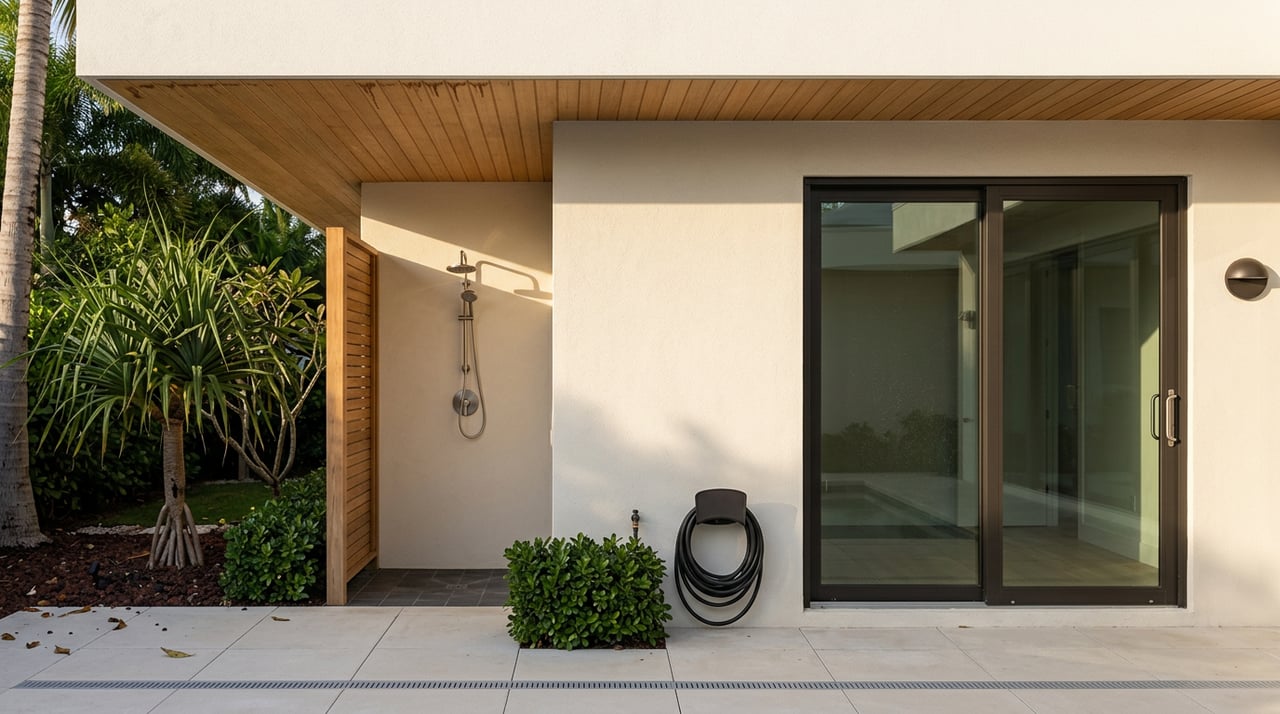
You can almost hear the waves from your lanai in Kekaha. That vision is real here, where long beaches and fiery sunsets define daily life. If you are thinking about living close to the sand, you also want a clear plan for coastal risks, insurance, and upkeep. This guide gives you straightforward steps to evaluate a near‑beach home in Kekaha so you can buy with confidence. Let’s dive in.
Why buy near the beach in Kekaha
Kekaha sits on Kauai’s west side, a quieter stretch with big skies, broad beaches, and easy access to fishing and surf. You can get a feel for the shoreline and park access by exploring the county’s popular beach area at Kekaha Beach Park.
West Kauai is among the island’s drier microclimates. You can expect warm temperatures, steady trades, and salt air carried in from the open ocean. That salt air is part of the charm, but it also means more attention to exterior finishes, mechanical equipment, and metals than you might need inland.
Understand coastal risks before you buy
Flood zones and mortgages
Check whether the property lies in a FEMA Special Flood Hazard Area. If it does, most lenders will require flood insurance. Start by reviewing the parcel on Hawaii’s Flood Hazard Assessment Tool (FHAT). If the map shows close calls near a zone boundary, ask your lender whether an elevation certificate could change requirements. Kauai has updated flood maps over time, so you can also review county FAQs about how new panels can affect permits and insurance expectations.
Sea‑level rise and erosion
Near‑shore parcels experience changing conditions over decades. Use NOAA’s Sea Level Rise Viewer to visualize different scenarios at the property. Localized erosion rates and whether a shoreline is gaining or losing sand influence setbacks, rebuild options, and the feasibility of shoreline armoring or future relocation. Save screenshots from your research for your due‑diligence file.
Storm history and surge
Kauai has seen powerful storms, including Hurricane Iniki’s 1992 impact. While major hurricanes are infrequent, strong wind events, heavy surf, and storm surge are real considerations for beachfront and low‑lying homes. This affects your choices for building materials, elevation, and insurance.
Shoreline setbacks and SMA rules
Hawaii’s coastal rules, including the Special Management Area and shoreline setback standards under HRS 205A, shape where you can build or rebuild. Verify whether the parcel has a certified shoreline and whether past improvements had SMA or shoreline permits. County planning staff and state resources provide guidance; you can review state notices and references related to coastal zone management in the Environmental Notice archives and then confirm details with county planning before you assume buildability.
Insurance and financing realities
Flood insurance and loans
If your property is in a mapped Special Flood Hazard Area, federally regulated lenders generally require flood insurance for the life of the loan. The FDIC outlines how flood rules work for lenders in the Flood Disaster Protection Act materials. Ask your lender if an elevation certificate is needed and compare NFIP and private flood options if allowed by your lender.
Wind and hurricane coverage
Availability and pricing for wind and hurricane coverage can shift over time. State actions, such as work around the Hawai‘i Hurricane Relief Fund, show how the market may respond after major events. Check current local conditions with your insurer and lender. You can track state discussions and updates through the Hawai‘i State Senate Majority’s news and legislative summaries.
What policies often exclude
Standard homeowners policies typically exclude wear‑and‑tear and gradual corrosion. Salt‑air deterioration of metal fasteners, exterior fixtures, and mechanical cabinets is usually considered maintenance, not a sudden covered loss. Review your policy to confirm coverage for wind and hail, flood (if purchased), sewer backup, and any exclusions for corrosion or neglect.
Materials and maintenance that pay off
Coastal homes demand thoughtful material choices. FEMA’s Coastal Construction Manual highlights durable materials, careful detailing, and protected mechanical systems as key strategies to reduce life‑cycle costs. You can review the guidance in FEMA P‑55.
Smart material choices
- Fasteners and connectors: Favor marine‑grade stainless, especially Type 316 for exposed hardware near salt spray. Where stainless is not feasible, use heavy hot‑dip galvanized options and avoid mismatched metals that can trigger galvanic corrosion.
- Exterior cladding and trim: Fiber‑cement, coated metals with marine‑grade finishes, or high‑performance composites outperform untreated wood in salty, sunny conditions.
- Roofs and flashing: Use corrosion‑resistant flashing and code‑appropriate wind‑attachment systems. Inspect after major wind or surf events.
- Windows and doors: Choose impact‑ or wind‑rated assemblies where required and select corrosion‑resistant frames and hardware. Plan for periodic lubrication and cleaning of tracks and locks.
- Mechanicals and HVAC: Keep condensers away from direct sea spray when possible. Consider coastal‑protected models or protective coatings, and plan for more frequent cleaning and service.
- Decks and rails: Modern capped composites cut down on staining and rot. If you choose wood, expect more frequent sealing than at inland homes.
- Landscaping: Use salt‑tolerant species and designs that avoid trapping salt near eaves and intakes.
- Pest management: Formosan subterranean termites are present on Kauai. Incorporate prevention details in your inspection scope and plan for routine monitoring. The University of Hawai‘i’s CTAHR summarizes local termite biology and control in its Formosan termite overview.
A Kekaha coastal maintenance schedule
Build a simple schedule you can follow. Adjust frequency based on your exact exposure and vendor advice.
- Exterior rinse: Freshwater rinse of vulnerable exterior metals, windows, rails, and AC condensers monthly during peak trade‑wind periods and quarterly otherwise.
- HVAC service: Professional tune and coil cleaning twice a year, with monthly filter checks.
- Decks and rails: Inspect every 6 to 12 months. Clean per manufacturer instructions and reseal wood as needed.
- Paint and trim: Inspect annually. Budget for shorter repaint cycles on ocean‑facing elevations.
- Termite/WDI inspection: At least once a year and more often if prior activity is noted.
- Septic or cesspool: Verify the last pump date and current condition. If a cesspool is present, the State of Hawai‘i requires conversion to a compliant wastewater system by 2050. Kauai’s Housing Agency offers a Residential Cesspool Conversion Grant Program that may help eligible homeowners.
Due‑diligence checklist for Kekaha buyers
Use this step‑by‑step list to size up a near‑beach home before you commit:
- Map flood risk: Look up the address in the Hawaii Flood Hazard Assessment Tool and save the current panel for your file.
- Visualize sea‑level rise: Use NOAA’s Sea Level Rise Viewer to see future scenarios and take screenshots.
- Confirm shoreline status: Ask whether there is a certified shoreline and whether prior work needed SMA or shoreline permits. Review state resources and then verify details with county planning.
- Inspect for pests and moisture: Add a termite/WDI inspection and include moisture checks for crawlspaces and attics in your general inspection scope.
- Evaluate structure and systems: If the home sits on piles, near an eroding shoreline, or shows movement, add a structural engineer. Have a coastal‑experienced HVAC tech assess outdoor units.
- Clarify sewage: Determine if the home is on sewer, septic, or a cesspool. If a cesspool is present, review Kauai’s conversion grant program and plan for design and permitting.
- Nail down insurance: Ask your lender if an elevation certificate is needed and compare flood, wind, and hurricane coverage options. The FDIC flood guidance explains why lenders require flood policies in certain zones.
- Gather records: Request recent maintenance and inspection reports for HVAC, roof, exterior coatings, decks, and termite services.
Budget with eyes wide open
Coastal ownership often raises routine maintenance and replacement frequency versus inland homes. FEMA’s coastal guidance underscores that material choices and protective detailing can lower long‑term costs, but you should still plan for more ongoing care. To get realistic numbers for your home, skip one‑size‑fits‑all rules and request three local quotes for likely recurring items like HVAC service, exterior cleaning, termite plans, and repainting. If a cesspool conversion may be required, ask a local engineer for a scope and estimate early in your planning.
Buying near the beach in Kekaha can be both inspiring and practical when you verify risks, tailor your materials, and build a smart maintenance plan. If you want a calm, contractor‑savvy partner to help you weigh tradeoffs and navigate due diligence, connect with Kelly Liberatore for local guidance and a smooth path to closing.
FAQs
What makes buying near the beach in Kekaha different?
- You enjoy big‑beach access and sunsets, but you also plan for salt‑air exposure, potential flood‑zone implications, and more frequent maintenance than inland homes.
How do I check if I need flood insurance for a Kekaha home?
- Look up the address in the Hawaii Flood Hazard Assessment Tool. If it is in a Special Flood Hazard Area, most lenders will require a flood policy.
How can I see if sea‑level rise could affect a property?
- Use NOAA’s Sea Level Rise Viewer to visualize different scenarios and save screenshots as part of your due diligence.
What storm history should I consider on Kauai’s west side?
- Review events like Hurricane Iniki’s 1992 impact and plan for wind, heavy surf, and surge when selecting materials and insurance.
What rules affect building near the shoreline in Hawaii?
- State SMA and shoreline setback rules under HRS 205A guide where you can build or rebuild. Review state references in the Environmental Notice archives and confirm details with county planning.
Will salt‑air damage be covered by my homeowners insurance?
- Wear‑and‑tear and gradual corrosion are usually excluded. Policies generally cover sudden damage from named perils and flood only if you have purchased a flood policy.
How often should I schedule inspections and services for a coastal home?
- Plan for HVAC service twice a year, termite/WDI inspections annually, and exterior checks for decks, rails, and paint at least once a year.
What should I know about cesspools in Kauai?
- Hawaii requires cesspool conversion by 2050. Kauai’s Housing Agency offers a Residential Cesspool Conversion Grant Program that may assist eligible homeowners.