If you are torn between an older plantation cottage and a newer home in Waimea, you are not alone. Both can be great fits, but they offer very different ownership experiences once you move past curb appeal. This guide will help you compare character, maintenance, comfort, and site risks so you can make a more confident decision in Waimea. Let’s dive in.
Why Waimea Feels Different
Waimea’s housing story is tied to both its past and its physical setting. The town grew during the early 1900s with the nearby port and sugar industry, which helps explain why older plantation-era homes still shape parts of the local housing mix.
At the same time, Waimea is a place where site conditions matter. Kauaʻi County’s hazard planning notes that the Waimea planning area includes a large share of the county’s mapped 1%-annual-chance floodplain area, and the community has a long history of river flooding. That means your decision should be about more than just style or age.
What Plantation Cottages Usually Offer
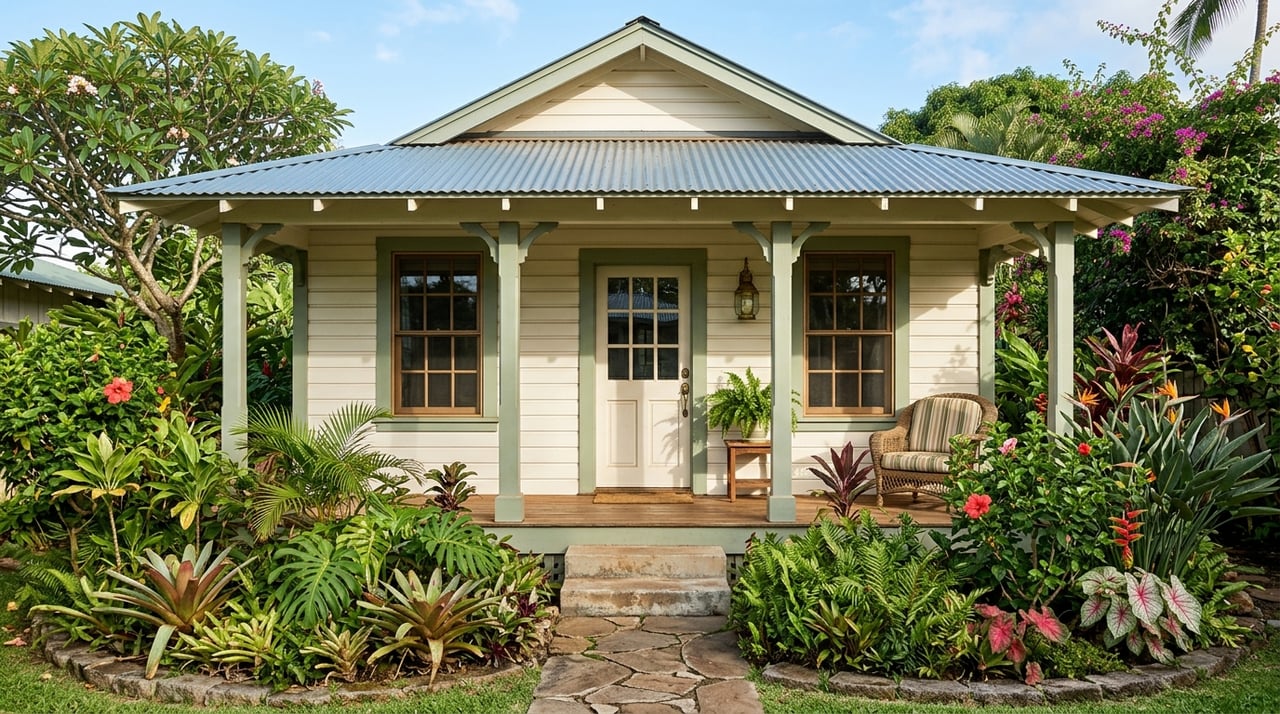
Plantation cottages in Hawaiʻi were often built as small, one-story rectangular homes with a front lanai, several bedrooms, a parlor, kitchen, and bathroom. Many were built with single-wall construction, painted wood exteriors, post-and-pier foundations, and hipped roofs.
In Waimea, that style can carry real charm. These homes often feel connected to the town’s history, and the scale tends to be simple, practical, and easy to live in if you like a smaller footprint.
Character and lanai living
One of the biggest draws is the way plantation cottages support indoor-outdoor living. State design guidance for historic Hawaiʻi cabins notes that covered lanais and outdoor dining areas have long been part of plantation-style living and can extend usable space during hot or wet weather.
If you enjoy opening the house up, spending time outside, and living a little more casually, that can be a meaningful plus. A plantation cottage often feels less formal and more tied to the rhythm of the day.
What to watch in older homes
Charm does not cancel out age. Older wood homes in Waimea may have a long repair history, including past flood damage, wind damage, termite issues, or later structural changes.
That is why buyers should look closely at condition, drainage, permit history, and signs of past storm repairs. A home can present beautifully and still have hidden issues in the structure, systems, or additions.
What Newer Homes Usually Offer
Newer homes in Waimea are generally shaped by more current building standards and modern design preferences. They are not tied to one historic style in the same way plantation cottages are.
For many buyers, the main appeal is predictability. Newer homes often feel easier to evaluate because there may be clearer records for construction and updates, although you still need to verify what was actually permitted and finalized.
Easier paper trail, but still verify
Kauaʻi County’s Building Division handles permit applications, code enforcement, and minimum construction standards under county codes and referenced trade codes. The Planning Department separately handles zoning, use, variances, special permits, and special management area permits.
In practical terms, that means you should not assume a newer home is problem-free just because it looks newer. You still want to confirm that additions, remodels, and major improvements were properly permitted and signed off.
Maintenance can feel more straightforward
Buyers often choose newer homes because they want fewer unknowns. Systems like roofing, plumbing, electrical, windows, and water heaters may be newer, which can make upkeep feel more predictable in the near term.
That does not mean maintenance disappears. In Waimea’s relatively dry leeward climate, irrigation, landscaping, paint, and exterior care can still be an ongoing part of ownership, especially when the home has a lot of outdoor living space.
Plantation Cottages vs Newer Homes
Here is a simple way to compare the two in Waimea:
| Feature | Plantation Cottages | Newer Homes |
|---|---|---|
| Overall feel | Historic, modest, character-rich | More contemporary, more standardized |
| Typical layout | Smaller footprint, lanai-centered | Varies more by builder and era |
| Construction clues | Often single-wall, wood exterior, post-and-pier | Often easier to trace through newer records |
| Maintenance profile | Can involve more hands-on upkeep and hidden repairs | Often more predictable, but still needs verification |
| Buyer appeal | Buyers who value history and charm | Buyers who want fewer unknowns |
Why Site Risk Matters as Much as Style
In Waimea, location on the lot and exposure to hazards can matter as much as whether the home is old or new. County planning and emergency guidance point to flooding, wildfire, drought, heat, tropical cyclones, coastal flooding and erosion, tsunami, landslide, dam failure, and earthquake as part of Kauaʻi’s hazard picture.
For Waimea specifically, flood risk deserves close attention. The county notes repeated flooding in the community, including the severe 1949 flood, and the flood-control levee near the river mouth has been decertified by FEMA.
Questions to ask about flood exposure
During your home search, ask direct questions about the site, not just the house:
- Is the property in a flood-prone area?
- What is the property’s elevation?
- How does the lot drain during heavy rain?
- Is the home near the shoreline setback area?
- Is it in a tsunami evacuation zone?
- Has the property had past flood damage?
Kauaʻi County also advises buyers to understand evacuation routes and to remember that standard homeowners insurance does not cover flood losses. That makes early due diligence especially important.
Best Questions To Ask During Showings
Whether you are touring a cottage or a newer home, the right questions can reveal comfort issues and future costs quickly. Focus on the building envelope, major systems, and the paper trail.
Ask questions like these:
- Is the home single-wall or double-wall?
- How old are the roof, plumbing, electrical, water heater, and windows?
- Were any additions or remodels permitted and signed off?
- Has the home had termite treatment?
- Has the property had wind or flood damage?
- How does the site handle runoff in heavy rain?
These questions matter because they help you compare homes on more than appearance. They also help you estimate what ownership may feel like after closing.
Which Home Type Fits Your Lifestyle?
A plantation cottage may fit you well if you want historic character, a smaller footprint, and a lanai-centered way of living. It can be especially appealing if you are comfortable with more active maintenance and you appreciate the feel of an older home.
A newer home may fit you better if you want a more straightforward maintenance schedule and fewer surprises in the systems and structure. If your priority is predictability, newer construction often feels easier to plan around.
In Waimea, long-term satisfaction usually comes down to fit. The better choice is the one that matches your comfort level with upkeep, your daily lifestyle, and the specific risks tied to the lot and location.
A Practical Way To Decide
If you are comparing two homes and feeling stuck, start with three filters: condition, paperwork, and site. First, look at the physical condition of the house and its major systems.
Next, verify permits and approvals for any changes or additions. Finally, study drainage, flood exposure, and the broader hazard setting around the property.
That process can bring clarity fast. A charming cottage may still be the right move if the condition and site make sense, while a newer home may lose some appeal if the lot raises risk concerns you are not comfortable with.
When you are weighing older charm against newer convenience in Waimea, local context matters. If you want practical guidance on comparing homes, understanding property condition, or narrowing down the right fit for your goals, Kelly Liberatore is here to help.
FAQs
What is the main difference between plantation cottages and newer homes in Waimea?
- Plantation cottages usually offer more historic character and a smaller, lanai-centered feel, while newer homes often offer more predictable upkeep and an easier paper trail to review.
What should buyers check in older Waimea plantation cottages?
- Buyers should check for termite history, flood or wind damage, structural changes, drainage, permit history, and the age and condition of major systems like the roof, plumbing, and electrical.
Why does flood risk matter when buying a home in Waimea?
- Kauaʻi County identifies Waimea as an area with significant flood exposure and a history of severe flooding, so buyers should review flood-prone area status, elevation, drainage, and evacuation routes before purchasing.
Are newer homes in Waimea easier to evaluate than older homes?
- They often are, because newer construction may have clearer permit and code records, but buyers should still confirm that all additions, remodels, and improvements were properly permitted and signed off.
How can you choose between an older cottage and a newer Waimea home?
- Compare each property based on lifestyle fit, maintenance comfort, permit history, condition of major systems, and the specific site risks tied to the lot and surrounding area.