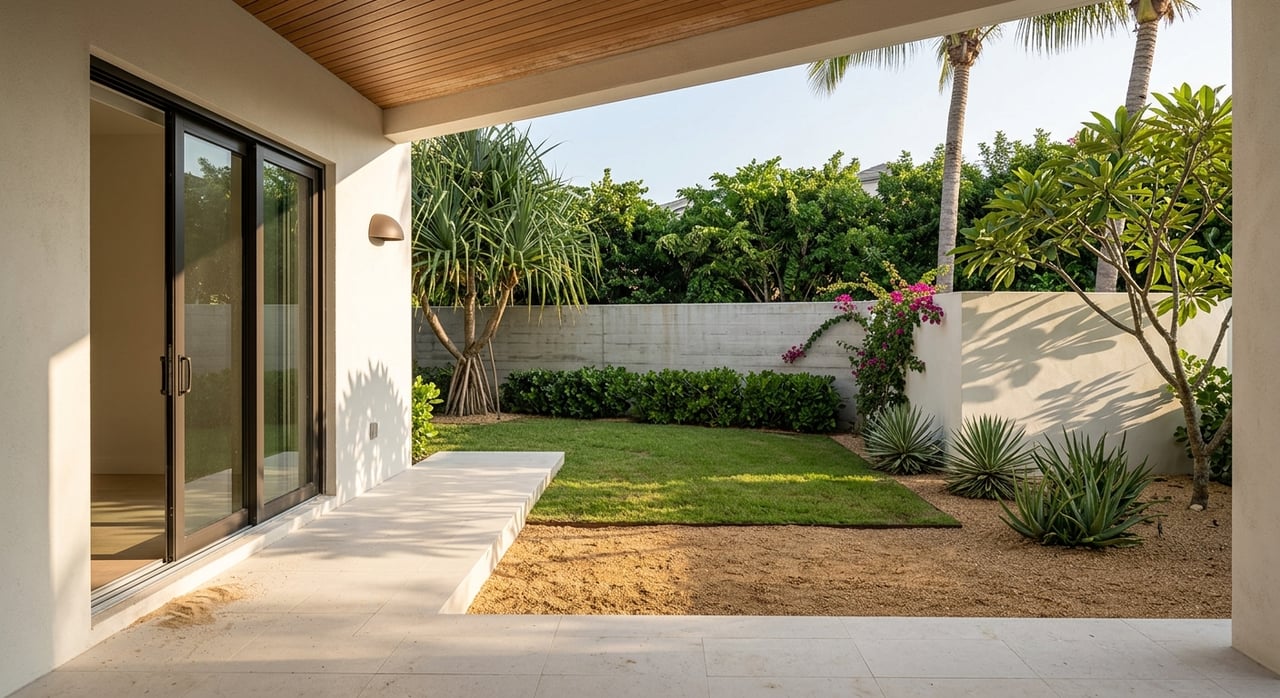
If you are looking for a Kauai investment that feels more grounded than speculative, Kekaha deserves a closer look. This west-side market is not built around resort-style inventory or luxury rent spikes. Instead, it offers a smaller, house-oriented rental landscape shaped by local jobs, working households, and practical housing needs. If you want to understand where the long-term rental potential really is, and where investors need to stay cautious, this guide will walk you through it. Let’s dive in.
Why Kekaha Stands Out
Kekaha is a small community on Kauai’s west side with a very different feel from more tourism-driven parts of the island. Census data shows 1,204 housing units and 1,057 households in Kekaha, with 3.5 people per household. In the broader Kekaha-Waimea area, 88% of housing is made up of single-unit structures, which tells you right away this is primarily a detached-home market, not a condo-heavy one.
That matters if you are evaluating long-term rental potential. In a market like Kekaha, the investment story is usually less about chasing premium rents and more about owning a durable property that fits everyday local demand. This tends to favor practical homes, cottages, and smaller multifamily properties over highly amenitized product.
Kekaha also reads as a relative value play within Kauai. The median value of owner-occupied housing units in Kekaha is $682,900, compared with $873,200 countywide. For investors comparing multiple Kauai submarkets, that lower entry point can create more room for conservative underwriting.
What Drives Long-Term Rental Demand
The clearest demand driver in Kekaha is local employment. Pacific Missile Range Facility on the west side is one of the island’s largest employers, with nearly 1,000 personnel. County planning materials also project 2,064 jobs in Waimea-Kekaha in 2020 and 2,094 jobs in 2030, which points to a stable employment base rather than a boom-and-bust growth story.
That type of demand is important for buy-and-hold investors. A steady local workforce can support long-term occupancy, especially when your property matches the housing needs of people who live and work nearby. In Kekaha, that generally means practical layouts and predictable monthly costs matter more than high-end finishes.
The local household profile supports that idea. Kekaha’s median household income is $84,375, which is below the Kauai County median of $97,668, and the average household size is relatively large. Those numbers suggest many renters may be looking for functional two- and three-bedroom homes that work for families or shared households.
Kauai County also notes that Housing Choice Voucher participants may lease single-family homes, townhouses, and apartments that meet program standards. That does not define the whole market, but it does mean your potential renter pool may include both market-rate tenants and assisted households, depending on the property and its condition.
The Best Fit Property Types
In Kekaha, the most realistic rental formats are the ones already aligned with the existing housing stock. The broader area is heavily oriented toward single-unit homes, and county housing plans on the west side also point to a mix of single-family and multifamily workforce housing rather than large resort-style apartment inventory.
For most investors, that makes detached homes, cottages, and smaller multifamily buildings the most logical options to study. These properties tend to fit the local market better and may be easier to position for long-term residents. They also align with what households in the area are more likely to need.
A practical layout often matters more here than upgrades meant to impress occasional visitors. If you are comparing opportunities, look closely at bedroom count, storage, parking, ventilation, and maintenance needs. A well-kept, efficient property usually has a stronger long-term case than a flashy one with higher operating costs.
Why Conservative Rent Assumptions Matter
Kekaha is not a market where aggressive rent projections are the safest path. Countywide median gross rent is $1,870, but that number should be treated as broad context, not a direct forecast for any one home. In a smaller market like Kekaha, actual rent depends heavily on condition, size, location, and how well the property fits local resident demand.
This is why disciplined underwriting matters. The area’s opportunity is tied more to stable occupancy and sensible pricing than to rapid rent growth. If your investment only works with optimistic assumptions, it may not be the right fit for this submarket.
It is also worth keeping an eye on the affordable housing pipeline. The county lists affordable and workforce housing activity in Kekaha, Waimea, and Eleele, including Kekaha Ha'aheo, Lima Ola, and the Waimea 400 planning area. New supply aimed at local households can help meet real housing needs, but it can also compete with private rentals targeting the same tenant base.
Risks Investors Should Not Ignore
Every rental market has tradeoffs, and Kekaha is no exception. One of the biggest mistakes investors can make here is treating the area like a simplified version of a resort market. The numbers may look more accessible, but successful ownership still depends on good reserves, realistic maintenance planning, and a clear view of local conditions.
Hawaii’s Residential Landlord-Tenant Code affects day-to-day operations in ways that should be built into your budget. The state handbook says a security deposit is capped at one month’s rent and must be returned with itemized deductions within 14 days after termination. It also outlines repair timelines, including 3 business days for emergencies, 7 calendar days for health-and-safety violations, and 12 business days for other repairs.
Those requirements mean cash flow planning should include more than mortgage and insurance. You also need room for turnover, routine repairs, emergency work, and compliance. In a practical rental market like Kekaha, disciplined operations are part of the investment thesis.
Tax Class Can Change Your Numbers
Property taxes on Kauai depend on actual use, and that is an important point for investors. Kauai County states that long-term affordable rentals may qualify for the owner-occupied tax rate and a 3% assessment cap only if all dwellings on the property qualify or are owner occupied, and rents remain within county-approved affordability limits.
In other words, a long lease alone does not automatically create the most favorable tax treatment. If you are modeling returns, confirm the current classification, any filing requirements, and whether the property truly qualifies under county standards. This is one of those details that can quietly reshape your numbers if you gloss over it.
Coastal Conditions Require Extra Care
Kekaha’s location is part of its appeal, but it also comes with stewardship considerations. The West Kauai Community Plan identifies sea-level-rise hazard areas, and NOAA recognizes hurricane storm surge as a major coastal hazard. For investors, that means site selection and durability matter.
If you are looking at homes near the shoreline or in lower-lying areas, take a conservative approach to insurance, drainage, ventilation, and long-term maintenance. Moisture management and resilience upgrades may not feel glamorous, but they can protect both your asset and your operating budget over time.
This is where practical property knowledge really helps. In Kekaha, the better long-term rental opportunities are often the ones that are easier to insure, easier to maintain, and easier to harden over time.
How To Evaluate a Kekaha Rental
If you are serious about investing in Kekaha, focus on a few basic questions before you get attached to any one property.
- Does the home match local long-term demand with practical bedroom count and layout?
- Is the pricing supported by conservative rent assumptions?
- What are the likely maintenance costs based on age, exposure, and condition?
- How will tax classification affect the annual carrying cost?
- Is the location exposed to added coastal risk that could affect insurance or upkeep?
- Will nearby affordable or workforce housing supply compete for the same tenant profile?
These questions can help you separate a workable buy-and-hold property from one that only looks good on paper. In Kekaha, success usually comes from getting the basics right.
Kekaha Compared With Other West-Side Options
Kekaha can make sense if you want a smaller west-side market with a lower median value than many other parts of Kauai and a tenant base tied to local employment. It may appeal to investors who prefer a straightforward housing story over a more tourism-influenced one. That can be a real advantage if your strategy is long-term ownership, moderate expectations, and stable use.
At the same time, it is smart to compare Kekaha with nearby Waimea and Eleele before making a decision. Each west-side area has its own housing mix, price point, and demand pattern. Looking at them side by side with conservative assumptions for rent, taxes, repairs, vacancy, and insurance can give you a much clearer picture of where the best fit may be.
A calm, numbers-first approach tends to work best here. Kekaha is not about chasing the highest possible rent. It is about understanding the local market, buying a property that fits real housing demand, and managing it with discipline.
If you want local insight on west-side Kauai investment opportunities, neighborhood tradeoffs, and property condition factors that can affect your numbers, connect with Kelly Liberatore for practical guidance rooted in the market.
FAQs
Is Kekaha a good place for long-term rental investing on Kauai?
- Kekaha can be a solid option for value-minded investors because it offers a lower median home value than the county overall, a house-oriented housing stock, and demand tied to local employment rather than resort activity.
What kind of rental properties fit the Kekaha market best?
- Detached homes, cottages, and small multifamily properties tend to fit the area best because the local housing stock is dominated by single-unit structures and the tenant base appears to favor practical family-sized housing.
What drives rental demand in Kekaha, Kauai?
- Long-term rental demand is supported by west-side jobs, including employment connected to Pacific Missile Range Facility, along with local working households that need stable and practical housing options.
Are there risks to buying a rental property in Kekaha?
- Yes. Key risks include overestimating rent, underestimating maintenance and repair costs, misunderstanding property tax classification, and overlooking coastal hazards such as sea-level-rise exposure and storm surge risk.
Do long-term rentals in Kauai automatically get lower property taxes?
- No. Kauai County says property classification is based on actual use, and a long-term lease by itself does not automatically qualify a property for the most favorable tax treatment.
What should investors compare before buying in Kekaha?
- You should compare realistic rent potential, vacancy assumptions, insurance costs, repair reserves, tax classification, location-specific hazards, and competition from other west-side housing options like Waimea and Eleele.