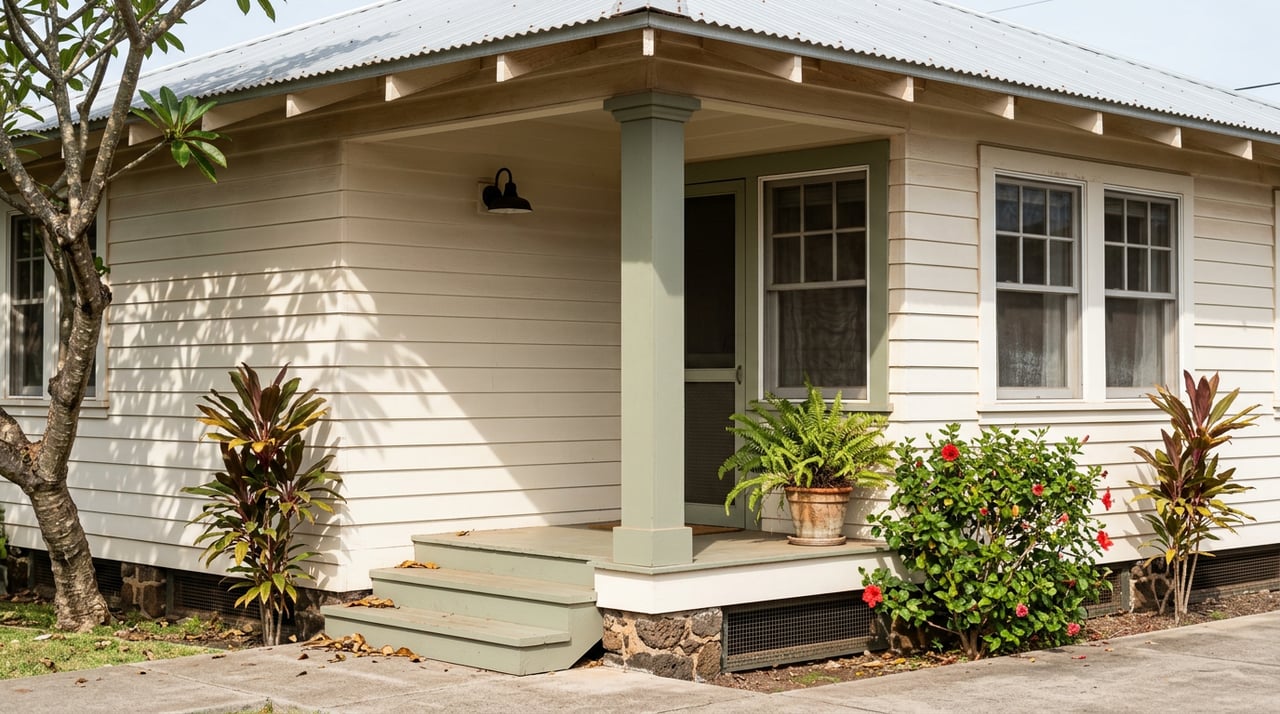
You can almost feel the trade winds the moment you step onto a shaded lanai in Waimea. If you are drawn to that easy, indoor-outdoor rhythm, plantation-style homes on Kaua‘i’s West Side might be exactly what you want. The key is buying with eyes wide open. In this guide, you will learn what defines these homes, how Waimea’s coastal climate shapes upkeep, which inspections to prioritize, and how to structure a smart offer. Let’s dive in.
Why plantation homes thrive in Waimea
A brief local history
Waimea carries a strong plantation-era legacy. A well-known example is Waimea Plantation Cottages, a collection of restored historic homes that reflect the area’s sugar and dairy past and the simple, climate-smart layouts that came with it. Many cottages were moved, preserved, or adapted over time, but they still read as classic West Side living with broad lanais and wood details. You can see this heritage in the cottages that now host guests and in the surrounding neighborhood context, as noted in coverage of the resort’s long-running presence on the West Side celebrating 40 years of hospitality.
What “plantation-style” really means
Plantation-style in Hawai‘i is more about a livable response to the tropics than ornate trim. You tend to see wide covered lanais, high ceilings, and large windows to catch cross-breezes. Layouts are simple, often single-story, and the homes lean on wood as a primary material. If you love character and easy flow between indoors and out, this is the appeal. For a helpful overview of the style’s evolution and hallmarks, review this summary of Hawai‘i’s plantation-style homes.
Features and materials to expect
Lanais and layout
Expect big porches and shaded outdoor rooms that work like main living spaces. Many day-to-day routines happen here. Inside, rooms are arranged for airflow and function rather than formality.
Single-level plans
Most cottages are compact, one-story homes. Manager’s houses and larger builds exist but are less common. The low profile helps with cooling and keeps the design humble and practical.
Foundations and floors
Older homes often sit on post-and-pier or lava-rock piers that lift the house above grade. This improves ventilation and reduces moisture contact at ground level. You will likely see raised floors rather than concrete slabs.
Walls, ceilings, and finishes
Many historic interiors use single-wall construction with board-and-batten or tongue-and-groove boards, plus exposed beams or wood ceilings. These assemblies differ from modern double-wall framing and do not have the same insulation profile, which matters for moisture and sound.
Roofs and cladding
Original roofs were commonly corrugated metal or wood shingles. Many homes have been reroofed with asphalt shingles or modern metal. Exterior siding is often wood, though some owners have switched to more durable products over time for easier upkeep.
Climate and coastal exposure: what to plan for
Waimea sits on Kaua‘i’s leeward coast. It is drier than the north and east sides, yet still coastal. That means sun and salt, trade winds, and occasional storm impacts. Smart buyers check site-specific hazards early and plan a maintenance rhythm.
Sea-level rise and coastal flooding
Hawai‘i now requires seller disclosure if a home sits inside the State Sea Level Rise Exposure Area. Before you fall in love with a property, check the State’s Sea Level Rise Viewer to see projected exposure at different scenarios. If a parcel appears inside the exposure area, you should receive a statutory disclosure from the seller during escrow.
Tsunami evacuation zones
Coastal Kaua‘i plans for tsunami risk. Evacuation routes and zones are well defined. Confirm whether a property falls inside an official inundation or evacuation zone using guidance from Tsunami.gov, then factor evacuation logistics into your decision and emergency plans.
FEMA flood maps and insurance
Lenders often require flood insurance if the property is inside a FEMA Special Flood Hazard Area. Use the FEMA Flood Map Service Center to look up the current flood zone for any Waimea address. Map changes can alter requirements over time, so check during your due diligence period.
Salt air and metal corrosion
Salt spray accelerates corrosion of metal connectors, fasteners, railings, roof flashings, and exterior hardware. Coastal construction guidance recommends stainless steel in the right grades, heavy hot-dip galvanizing where appropriate, and frequent inspection. Review the principles summarized in the FEMA coastal manual for coastal corrosion-resistant construction. When viewing homes, look closely at lanai brackets, under-floor hardware, and roof edges for rust.
Termites and other wood pests
Termite pressure is a fact of life in Hawai‘i, especially for older wood homes. A licensed WDO inspection is routine on Kaua‘i and worth every dollar. Learn more about the aggressive Formosan subterranean termite from the University of Hawai‘i’s CTAHR program on Hawai‘i termite species. Ask for any prior fumigation records and look for signs like shelter tubes or frass.
Moisture, rot, and ventilation
Historic single-wall assemblies and uninsulated ceilings can hide damp pockets. Poor drainage, clogged gutters, and limited ventilation make things worse. During inspections, pay attention to soffits, roof overhangs, under-floor ventilation, attic venting, and any staining near sill plates or piers.
Wastewater and cesspools: know your system
Many older island homes were built with cesspools. State law now requires upgrades or connections by 2050, with priority areas identified by the Hawai‘i Cesspool Prioritization Tool. Before you write an offer, use the Sea Grant resource to check a property on the Cesspools Tool. If the home is on a private system, budget for an evaluation by an onsite wastewater professional and get an estimate to replace or connect if sewer is available. If the home is on county sewer, verify the connection and keep records in your file.
Your Waimea due diligence checklist
Use this list to organize your offer and inspection timeline. Line up local, licensed pros and leave time for bids if repairs are needed.
General home inspection. Hire a licensed inspector familiar with tropical issues and raised-floor construction. Ask them to assess structure, roof, foundation/piers, ventilation, electrical, and plumbing.
Separate WDO/termite inspection. Always order a WDO report for older wood homes. If activity is found, get a contractor’s estimate and a long-term treatment plan.
Roof and flashing review. A roofing contractor should evaluate roof age, material, fasteners, flashings, and underlayment. Coastal roofs need regular attention and timely maintenance.
Structural check of post-and-pier systems. If the inspector flags settlement or rot, bring in a structural engineer to evaluate piers, sill plates, and wind-tie connections.
Electrical evaluation. Confirm panel type and capacity, outlet grounding, and whether any past work was permitted. The County’s Building Division page explains permit and inspection processes for Kaua‘i permits and inspections.
Plumbing and water heater check. Identify pipe materials and water pressure, then confirm the age and placement of the water heater. Ask about any past leaks or replacements.
Sewer or septic verification. If on sewer, obtain documentation of the connection. If on a private system or cesspool, order a scope or designer assessment and budget for upgrades per state guidance in the Cesspools Tool.
Corrosion and exterior hardware survey. Inspect lanai and deck connectors, under-floor fasteners, window and door hardware, and guardrails. Budget for stainless or heavy-galvanized replacements where needed.
Moisture or mold assessment if suspected. If you see staining, musty odors, or soft materials, bring in an environmental contractor for testing.
Lead-paint considerations. Homes built before 1978 can have lead-based paint. Use EPA lead-safe contractors for any disturbance and review the EPA’s guidance for RRP rules for real estate.
Permit history and final inspections. Ask your agent and title team to pull permit records and confirm finals through the Kaua‘i Building Division. Unpermitted work can affect insurance, financing, and future remodels.
Hazard mapping and disclosures. Check FEMA flood maps, the State Sea Level Rise Viewer, and request seller disclosures early. If a lender requires flood insurance, factor that cost into your monthly budget.
Plantation vs. newer builds: what to budget
Plantation-era homes deliver character, airflow, and that lanai-centered lifestyle. They also come with older materials and assemblies that need attentive care. Expect a cadence of exterior painting, termite prevention, hardware replacements, and periodic roof work. Newer construction is built to modern codes with engineered ties, corrosion-resistant hardware, and updated electrical and plumbing. Upfront costs are higher, but maintenance and insurance exposure can be lower over time. Your choice comes down to lifestyle and maintenance tolerance. If you love the cottage vibe, plan a solid inspection and reserve for improvements. If you want less upkeep, target newer homes that translate coastal best practices into the build.
Make a confident offer on a Waimea cottage
You can write a strong, clear offer that protects your interests without scaring off a seller. Here is a practical approach:
- Do early homework. Before offering, run the address through FEMA maps and the State Sea Level Rise Viewer, check the Cesspools Tool, and ask for available permits and disclosures.
- Set realistic timelines. Line up inspectors in advance. Shorter contingency periods are possible if your pros are ready to go.
- Focus contingencies on the big stuff. Structure, roof, WDO, sewer or septic, electrical and plumbing. Leave time for quotes if issues appear.
- Budget for the coastal premium. Plan for stainless hardware upgrades, paint cycles, and termite prevention so you are not surprised later.
- Keep communication warm and clear. Sellers of historic homes often care about stewardship. A thoughtful cover letter and clean terms can help your offer stand out.
Ready to tour Waimea plantation homes?
If you want a calm, expert teammate who understands West Side microclimates, historic assemblies, and how to navigate Kaua‘i permits and disclosures, we are here to help. Connect with Kelly Liberatore to start a focused search, line up inspections, and write an offer that balances character with due diligence.
FAQs
What defines a plantation-style home in Waimea?
- Wide covered lanais, high ceilings for airflow, simple one-story layouts, and wood construction are common hallmarks that fit the local climate.
Are Waimea plantation homes in tsunami or flood zones?
- Many coastal parcels have mapped exposures; check FEMA flood maps and official tsunami evacuation information before you offer, then review seller disclosures in escrow.
How can I check if a Waimea home uses a cesspool?
- Ask the seller and your agent for utility records, then use the State’s Hawai‘i Cesspools Tool to understand upgrade priorities and plan for replacement if needed.
Which inspections are most important for older wood homes near the coast?
- A general home inspection, a separate WDO/termite report, a roof and flashing review, and a corrosion survey of connectors and hardware are top priorities.
Will my lender require flood insurance in Waimea?
- If the home lies in a FEMA Special Flood Hazard Area, most lenders will require flood insurance, so verify the flood zone early and budget for the premium.
Do lead-paint rules apply to plantation-era cottages?
- Yes, if the home was built before 1978; follow EPA lead-safe practices for any paint disturbance and hire contractors certified under the RRP program.