Selling in Kalaheo can feel high stakes. Prices often sit in the low-to-mid one million range and days on market can stretch into months, so it is easy to wonder how much prep is enough. On Kauai, climate and regulations add another layer: humidity, termites, salt air, and wastewater rules can make or break a deal if left unaddressed. In this guide, you will learn which fixes move the needle, what to skip, and how to time your prep so you list with confidence. Let’s dive in.
Understand the Kalaheo market
Public listings data shows Kalaheo as a high-value submarket, with typical single-family prices clustering around about 1.0 to 1.2 million dollars depending on the source and timing. You can see current snapshots on Realtor.com for context (Kalaheo market overview). On a small island, a few sales can swing the medians, and days on market often run longer than on the mainland. The smartest first step is an address-level valuation and a quick review of recent nearby comps before you invest in prep.
What does this mean for you? Buyers at this price point often expect move-in ready condition. Focus on repairs and light refreshes that improve photos, first impressions, and inspection outcomes rather than heavy remodels that risk over-improving for the neighborhood.
TVR rules shape demand
Short-term vacation rentals are tightly regulated on Kauai. Outside Visitor Destination Areas, new TVR permits are generally not allowed, and existing nonconforming units require ongoing renewals. Review the county’s guidance here: Kauai Planning TVR information. In Kalaheo, this often means your buyer pool leans toward owner-occupants or long-term use rather than nightly rental investors. Prioritize durable, low-maintenance updates and clean documentation over resort-style upgrades.
Fix inspection friction first
Start with the issues most likely to spook buyers or trigger credits. These are common on Kauai and are worth addressing before you go live.
Moisture and mold
Kauai’s relative humidity often lives in the 70 to 80 percent range. That invites mildew, hidden rot, and finish wear if ventilation or flashing is weak. See island climate context here: UH SOEST climate station data. Actions to take:
- Check and repair roof and wall flashing, re-seal windows and penetrations.
- Verify bathroom and kitchen vents actually exhaust to the exterior.
- Investigate any stains or musty odors and fix the source, not just the surface.
Termites and wood-destroying organisms
Formosan and other subterranean termites are established in Hawaii and frequently show up on inspections. A seller-ordered termite report and treatment, if needed, helps buyers relax sooner. Learn more in the state extension brief: Hawaii termite overview. Actions to take:
- Order a current termite inspection and keep the report handy for buyers.
- Repair isolated damage where economical and document any warranties.
Cesspools and wastewater
Hawaii law directs a statewide move away from cesspools by 2050, and upgrades can be prioritized at sale or transfer in certain cases. Buyers will ask about status and costs. County and state resources are here: Hawaii DOH Cesspool Conversion Working Group. Actions to take:
- If you have a cesspool, schedule a site assessment early to estimate upgrade feasibility and cost.
- Disclose the findings and consider offering a credit if timing or design will extend past closing.
Salt-air corrosion
Coastal salt accelerates rust on fasteners, railings, window frames, and HVAC components. FEMA’s coastal construction guidance offers best practices for materials and connections: Homebuilder’s Guide to Coastal Construction. Actions to take:
- Replace corroded hardware with stainless or marine-grade materials.
- Pressure wash and rinse exterior surfaces to remove salt buildup.
- Document recent replacements so buyers see proactive care.
Roofs, lanais, and structural connections
Wind and moisture exposure make roof condition and deck or lanai connections common negotiation points. A targeted roof tune can save you from last-minute credits. Useful technical context: FEMA coastal guidance. Actions to take:
- Have a roofer replace failed flashing, resecure ridge and edge fastenings, and clear gutters.
- Tighten loose railings and verify proper hardware at exterior stairs and lanais.
High-impact updates that pay
Put your first dollars where buyers notice them most.
Declutter, deep clean, and stage. Staging helps buyers visualize and can shorten time on market. See NAR’s research on staging impact: NAR home staging resources.
Fresh, neutral paint. Interior paint is cost-effective and improves photos and in-person impressions. National Cost vs. Value data supports light, targeted refreshes over big remodels: Remodeling Cost vs. Value.
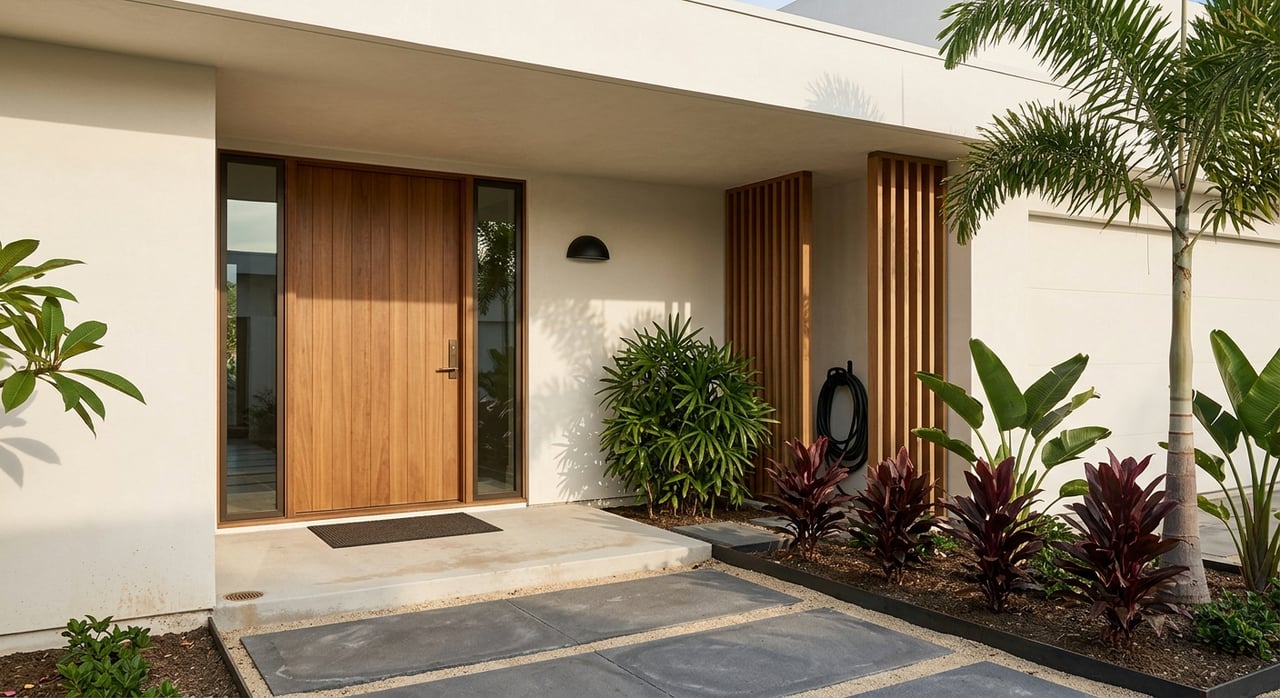
Curb appeal refresh. Trim hedges, power wash, edge the walk, refresh mulch, and update the mailbox or house numbers. Small exterior details drive clicks and first impressions.
Fix obvious wear. Address leaking faucets, sticky sliders, broken screens, and loose railings. These items signal how the home has been cared for.
Termite documentation. Provide a recent termite report and any treatment receipts to remove uncertainty. See Hawaii termite overview for context.
Wastewater clarity. If you have a cesspool, share a simple assessment and estimated path to upgrade so buyers can plan. See DOH cesspool program.
Projects to skip before listing
Not all improvements pay off right before a sale. In many cases, you should hold the line.
- Full, high-end kitchen gut remodels. These are costly and often do not return dollar-for-dollar unless local comps clearly demand that finish level. Review scope and ROI using Cost vs. Value benchmarks.
- Highly personal customization. Unique finishes and niche landscaping can narrow buyer appeal.
- Pools or large hardscapes added late. These are buyer specific and add maintenance costs that may not be valued equally by all buyers.
Your pre-list timeline
Dial in your prep to your target list date.
9 to 12 months out
- If you are considering major work that might require permits or plans, start early. Use the county’s guidance for submittals: Kauai Building Division permitting.
- For properties with cesspools or complex roof projects, schedule feasibility checks and budgeting now.
3 to 6 months out
- Order termite and wastewater inspections and book any needed roof repairs.
- Walk the home with a handyman to identify fast cosmetic fixes.
- Schedule a staging consult and line up professional photography for your launch week.
0 to 6 weeks out
- Declutter, deep clean, complete paint touch-ups, and refresh landscaping.
- Pressure wash exterior surfaces and entries. Replace corroded exterior hardware.
- Organize your documentation packet: termite report, wastewater assessment, roof tune receipts, and any warranties.
Permits, proof, and pros
Good paperwork builds buyer confidence in Kalaheo.
- Verify contractor licensing and any complaint history through the Hawaii DCCA. You can start with the state’s licensing resources here: Hawaii DCCA licensing info. Ask for the PVL license number, insurance, and Kauai references.
- Confirm whether your scope requires a county permit, and factor in electronic plan review timing: Kauai Building Division permitting.
- If the property has TVR or nonconforming use history, gather renewal letters and the county file: Kauai Planning TVR information.
- Use written estimates, clear scopes, timelines, proof of insurance, and lien releases on final payment.
Budget notes for Kauai sellers
Island costs vary, and Kalaheo can carry a premium due to transport and labor constraints. Use these rough ranges as conversation starters, not quotes:
- Interior repaint: about 2,000 to 5,000 dollars depending on size and condition.
- Professional staging: about 500 to 3,500 dollars for occupied or partial staging; vacant staging varies.
- Minor kitchen refresh: about 8,000 to 30,000 dollars depending on scope.
- Roof tune or small patch: about 300 to 2,000 dollars. Full replacements vary by material and roof design.
- Cesspool to septic conversion: often 8,000 to 40,000 dollars or more, driven by site constraints and system type. Always get a site-specific estimate.
Quick prep checklist
Use this to focus your effort.
6 weeks from listing
- Declutter and deep clean every room.
- Touch up paint and repair small items buyers will see.
- Curb appeal refresh and exterior rinse.
- Stage key spaces and schedule professional photography.
3 months from listing
- Termite inspection and any spot treatments.
- Roof tune and visible exterior fixes.
- Wastewater status clarified and documented.
- Book any light kitchen or bath refreshes if needed.
6 to 12 months from listing
- If large work is planned, start permitting and design now.
- Line up contractor bids early and verify licensing and insurance.
- Build your document folder for buyers as work is completed.
Ready to prioritize for your specific Kalaheo address? Schedule a 45-minute pre-list walkthrough and pricing review. You will get a ranked punch list, cost and benefit estimates, and a clear plan to list with confidence. Connect with Kelly Liberatore to get started.
FAQs
Do I need a full kitchen remodel before selling in Kalaheo?
- Not usually. A light refresh like paint, hardware, lighting, and counters often delivers a stronger return than a full gut, and it keeps your timeline lean.
What should I fix first to avoid inspection delays?
- Tackle moisture issues, termite treatment and documentation, roof tune and flashing, and any wastewater questions. These items remove the biggest buyer concerns.
How do Kauai’s TVR rules affect my prep choices?
- In much of Kalaheo, short-term rentals are restricted, so most buyers are owner-occupants or long-term users. Focus on durable, low-maintenance improvements and clean records over resort-style features.
Should I stage my Kalaheo home?
- Yes. Even partial staging helps buyers visualize the space and can improve time on market and perceived value, especially in photos.
Do I need permits for small fixes before listing?
- Cosmetic work rarely needs permits, but changes to structure, plumbing, or electrical often do. Check your scope against county requirements and allow time for electronic plan review if needed.